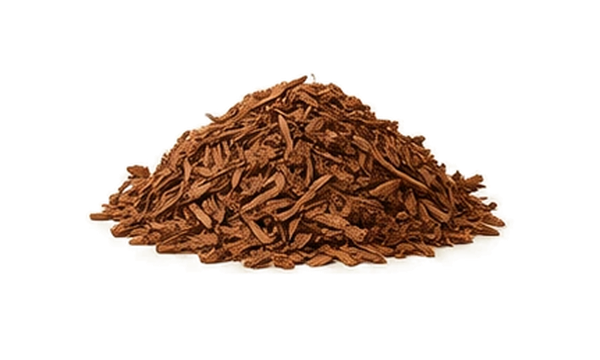
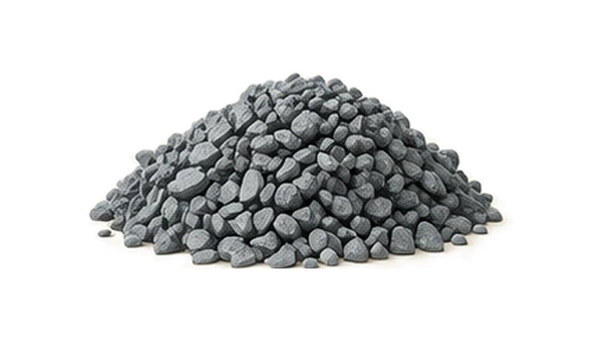
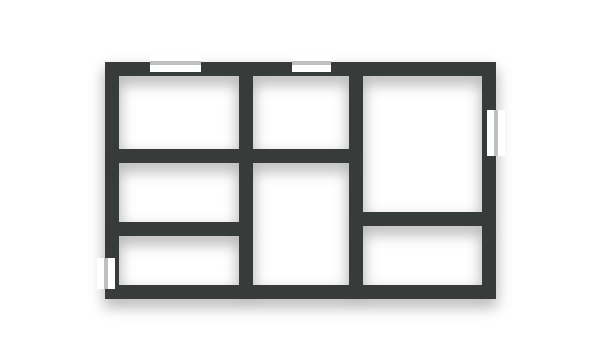
Break planting beds, paths, and gravel areas into measurable shapes.
Calculate the area for each material zone.
Choose the finished depth appropriate to the material and site.
Convert volume into bulk yards, bags, or weight using the package size or supplier density.
Before you calculate
Measurements and product details to collect
Area of each zone
Finished material depth
Bag volume or supplier density
Extra allowance
Optional local price
Your project notes
Make a measurement checklist
Record real sizes and product details before using the calculators. Tick items as you check them, then download your notes to take shopping.
0 / 5checked
Purchase planning comparison
Separate depth decisions from package-size decisions
Two non-overlapping planting beds, 18 × 8 ft and 12 × 5 ft, total 204 sq ft. Compare finished layer depth and the actual bag volume on the label; the rows are illustrative quantities, not horticultural depth recommendations.
Planning scenario
Calculation
What it means
2 in depth; 2 cu ft bags
204 × (2 ÷ 12) ÷ 2
17 bags
3 in depth; 2 cu ft bags
204 × (3 ÷ 12) ÷ 2
25.5 → buy 26 bags
3 in depth; 3 cu ft bags
204 × (3 ÷ 12) ÷ 3
17 bags
Buying decision: Changing depth increases required volume; changing bag size changes the number of bags without changing volume. Keep prices comparable by calculating cost per cubic foot, not price per bag alone.
Before committing to an order
Measure beds and paths separately; do not include planted or unfilled voids twice.
Choose depth based on the particular material, plant health and drainage requirements.
Check whether the supplier sells bags by true cubic volume or bulk delivery, and account for compaction only when supported by supplier guidance.
Not covered: This does not determine drainage design, erosion control, soil chemistry or whether a material is suitable around plants.
These are arithmetic planning comparisons with stated assumptions, not real project measurements, contractor advice, actual product prices or supplier quotations. Replace the examples with your own measurements and manufacturer specifications in the calculator.
Planning tip
Use real dimensions first, product labels second
Keep planting beds, walkways and drainage areas separate. Specify finished depth and material type for each zone; do not use mulch or gravel estimates as proof of proper drainage or erosion control.